
glass divider
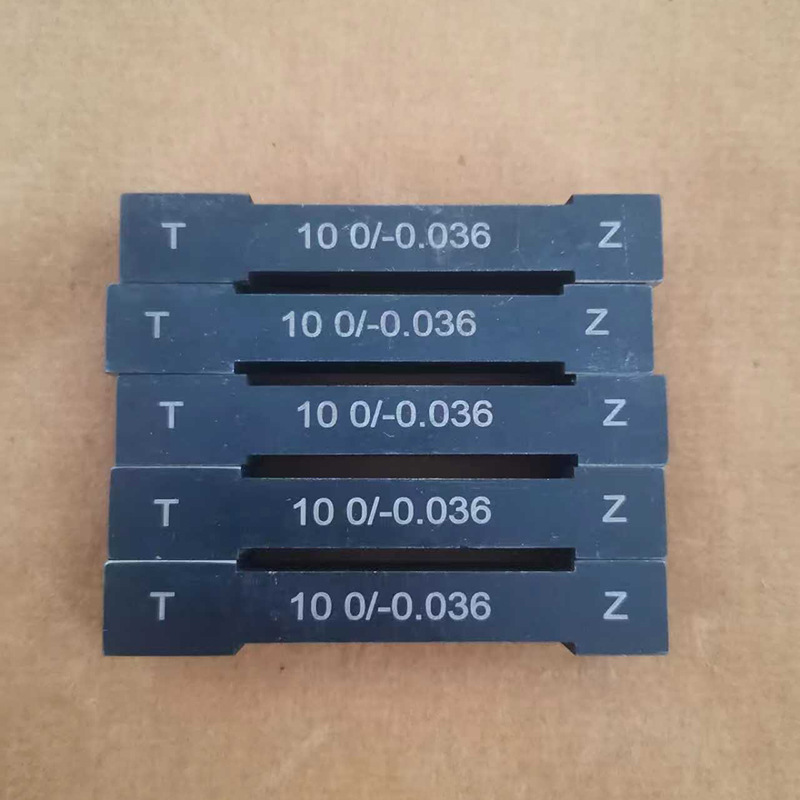
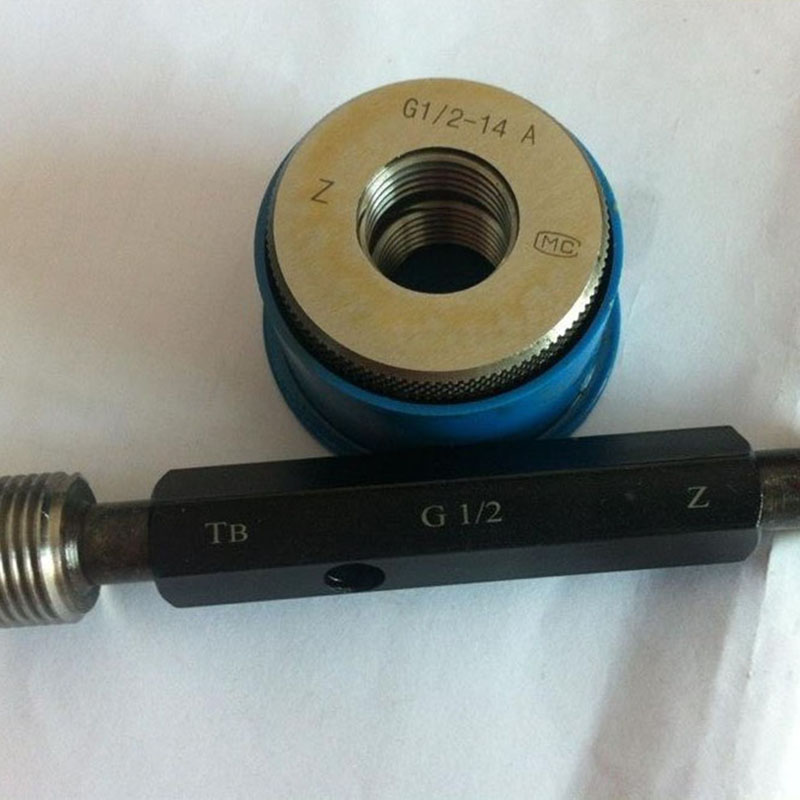
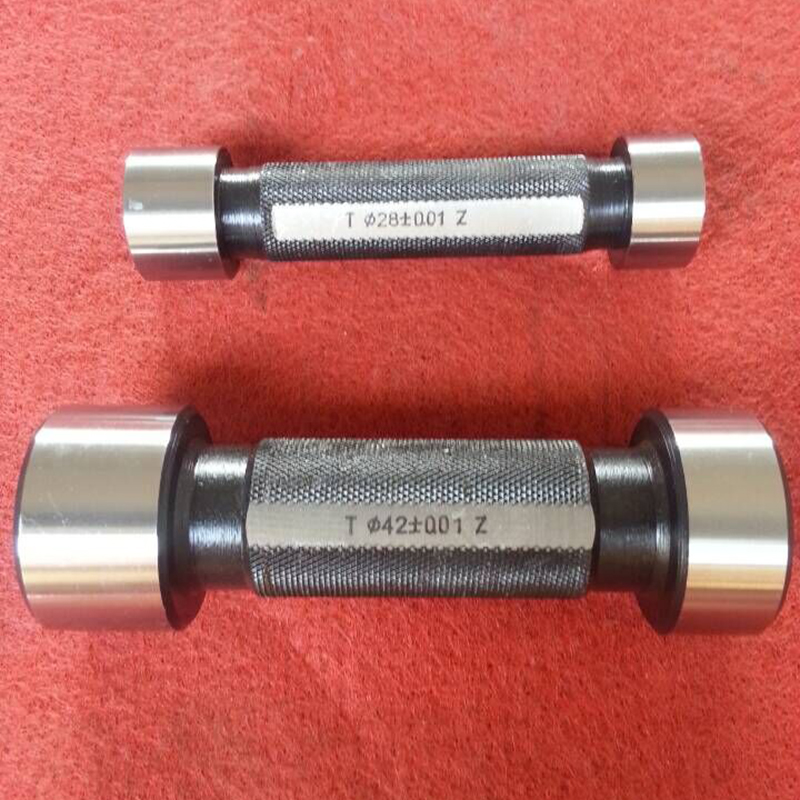
Understanding Limit Snap Gauges Precision Tools for Accurate Measurement In the realm of engineering and manufacturing, precision is paramount. One tool that has stood the test of time in ensuring dimensional accuracy is the limit snap gauge. This instrument plays a crucial role in quality control and assurance, helping artisans and engineers maintain strict tolerances across varied applications. This article delves into the fundamental aspects of limit snap gauges their design, functionality, and advantages in industrial settings. What is a Limit Snap Gauge? A limit snap gauge is a measuring tool used primarily to check whether an object conforms to specified limits of dimension. It is essentially a go/no-go gauge, meaning it has two distinct parts one for checking the upper limit and one for checking the lower limit of a dimension. Typically utilized in conjunction with other measuring tools, the limit snap gauge allows operators to quickly assess whether a part is within acceptable tolerances. Design and Construction At first glance, a limit snap gauge may appear simple in design, but it is meticulously crafted for accuracy and reliability. Generally, it consists of two major components 1. Go Gauge This section is intended to pass through the dimensions of a part that is within the specified tolerance. If the part fits through the go gauge, it indicates that the dimension is within the acceptable limits. 2. No-Go Gauge Conversely, the no-go gauge is designed to not fit within the specified dimension. If the part fits through the no-go gauge, it signals that the dimension exceeds the acceptable limits. These gauges are usually made from high-grade steel or other durable materials to withstand wear over time. Additionally, the contact surfaces are often finely ground, ensuring minimal friction and enhancing the gauge's longevity. Functionality limit snap gauge Using a limit snap gauge is straightforward, making it an invaluable tool on the shop floor. The operator begins by identifying the critical dimension of the workpiece that needs to be measured. Next, they will first check the part against the go gauge. If the part fits, the operator then proceeds to check it against the no-go gauge. If the part passes both checks, it is deemed acceptable. The efficiency of this measuring technique is clear. It allows for rapid assessments without the need for complex measurements, thus saving time and increasing productivity. Furthermore, such tools eliminate much of the uncertainty that may accompany traditional measuring methods, where subjective interpretation can lead to potential errors. Advantages of Limit Snap Gauges 1. Simplicity and Speed As mentioned, limit snap gauges allow for quick evaluations. They are user-friendly and can be utilized by operators with minimal training, enabling faster production cycles. 2. Reliability The design of limit snap gauges reduces the risk of measurement errors. With clearly defined go and no-go limits, users can trust in the accuracy of the measurements being conducted. 3. Cost-Effectiveness By ensuring that parts are produced within specified tolerances, limit snap gauges help reduce material waste and the costs associated with reworking or scrapping defective parts. 4. Versatility Limit snap gauges can be tailored for various applications across different industries—from automotive and aerospace to consumer goods manufacturing. They can be designed for a range of dimensions, accommodating diverse products and specifications. Conclusion In conclusion, limit snap gauges are indispensable tools in quality control and precision measurement. Their straightforward design, coupled with their rapid functionality, allows manufacturers to maintain stringent quality standards while enhancing productivity. As industries continue to evolve, incorporating advanced technologies and methods, the importance of effective tools like limit snap gauges remains unwavering. Embracing such measurement techniques not only fosters precision but also cultivates a culture of quality in manufacturing, leading to improved product reliability and customer satisfaction. As the manufacturing landscape grows increasingly competitive, the implementation of reliable measurement tools like limit snap gauges will continue to be a key differentiator for success.
about
glass divider
Introduction The Slow Closing Check Valve from Storaen (Cangzhou) International Trading Co. represents a significant advancement in fluid control technology. Designed to address common challenges in industrial and commercial applications, this valve combines innovative engineering with robust performance. This article explores the product's features, advantages, technical specifications, and real-world applications, while also highlighting the company's commitment to quality and innovation. Key Features of the Slow Closing Check Valve The Slow Closing Check Valve is engineered to deliver exceptional performance in demanding environments. Its core features include: Novel Structure: The valve's design minimizes turbulence, ensuring smooth fluid flow and reducing energy loss. Superior Sealing: Advanced sealing mechanisms prevent leaks, even under high-pressure conditions. Low Resistance: The optimized internal geometry allows for minimal flow resistance, enhancing system efficiency. Large Flow Capacity: The valve supports high flow rates, making it suitable for large-scale industrial applications. Extended Service Life: Durable materials and corrosion-resistant construction ensure long-term reliability. Adjustable Control: Users can fine-tune the valve's opening/closing speed to match specific operational requirements. Water Hammer Mitigation: The valve's slow-closing mechanism reduces the risk of pressure surges, protecting downstream equipment. Advantages Over Traditional Check Valves Compared to conventional check valves, the Slow Closing Check Valve offers several distinct advantages: Enhanced Safety: By controlling the rate at which the valve closes, it minimizes the risk of water hammer, a common cause of pipeline damage. Improved Efficiency: The low-resistance design reduces energy consumption, leading to cost savings over time. Customizable Performance: Adjustable settings allow the valve to adapt to varying flow conditions, ensuring optimal operation. Reduced Maintenance: The durable construction and reliable sealing reduce the frequency of repairs and replacements. Environmental Benefits: By preventing leaks and reducing energy waste, the valve contributes to sustainable operations. Technical Specifications Model Diameter (mm) Pressure Range (MPa) Material Flow Rate (m³/h) Adjustable Range 300X 50-300 0.1-1.6 Stainless Steel 100-500 0.5-5.0 seconds Applications in Industrial and Commercial Settings The Slow Closing Check Valve is versatile, with applications spanning multiple industries: Water Treatment: Prevents backflow and pressure surges in municipal water supply systems. Oil and Gas: Ensures safe and efficient flow control in pipelines and processing plants. Power Generation: Protects turbines and pumps from water hammer in cooling and boiler systems. Chemical Processing: Maintains precise flow control in corrosive environments. HVAC Systems: Enhances efficiency and longevity of heating and cooling systems. About Storaen (Cangzhou) International Trading Co. Storaen (Cangzhou) International Trading Co. is a leading supplier of industrial valves and fluid control solutions. With a focus on innovation and quality, the company serves clients across diverse sectors, including energy, manufacturing, and infrastructure. Their commitment to NIST standards ensures that their products meet rigorous performance and safety benchmarks. Industry Standards and Certifications Storaen's Slow Closing Check Valve adheres to international standards such as NIST guidelines for precision and reliability. These certifications guarantee that the product meets the highest levels of quality and performance, making it a trusted choice for global industries. Conclusion The Slow Closing Check Valve from Storaen (Cangzhou) International Trading Co. is a testament to advanced engineering and user-centric design. Its ability to combine precision, durability, and adaptability makes it an essential component in modern fluid control systems. By investing in this technology, industries can achieve safer, more efficient, and sustainable operations. References National Institute of Standards and Technology (NIST) . (n.d.). What We Do . Retrieved from https://www.nist.gov/
-

High quality industrial productsagement

High quality industrial products
View Details -

Meet the diverse needs of customers

Meet the diverse needs of customers
View Details -

Strict quality control

Strict quality control
View Details -

Top raw materials

Top raw materials
View Details -

Trusted supplier

Trusted supplier
View Details
Our application
news and information

Versatile and Durable Galvanized Strut Pipe Clamps for Secure Industrial Applications and Constructi
The Importance of Galvanized Strut Pipe Clamps in Construction and Infrastructure In the world of co
Using stamped truss nails for plate connection.
The Significance of Stamping in Truss Nail Plate Technology In the realm of construction and woodwo
Welding Tables Available for Purchase in Various Sizes and Styles
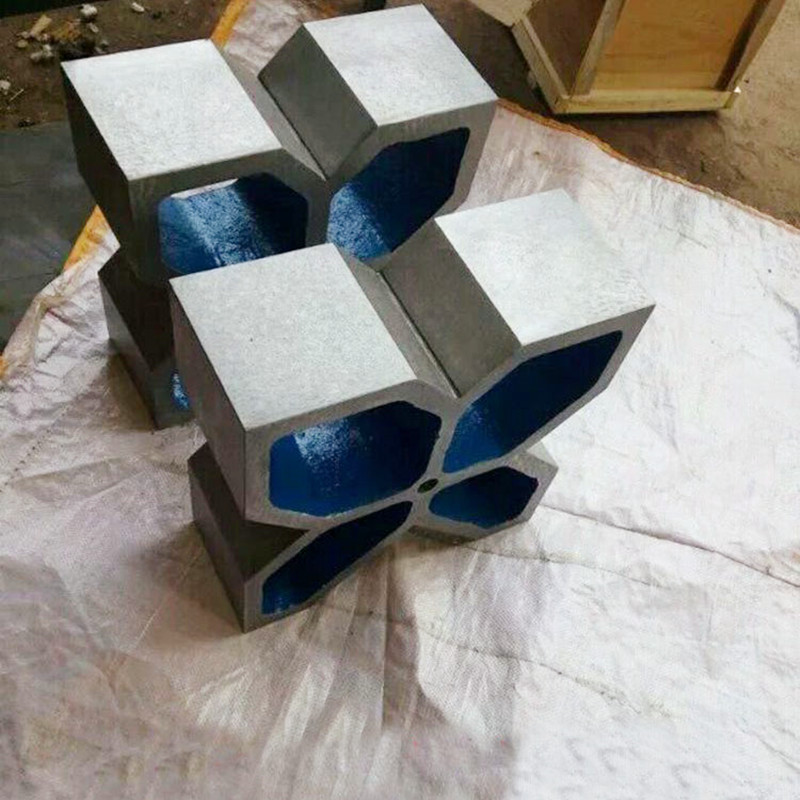
Welding Tables for Sale A Comprehensive Guide Welding is a fundamental process in various industries
 English